


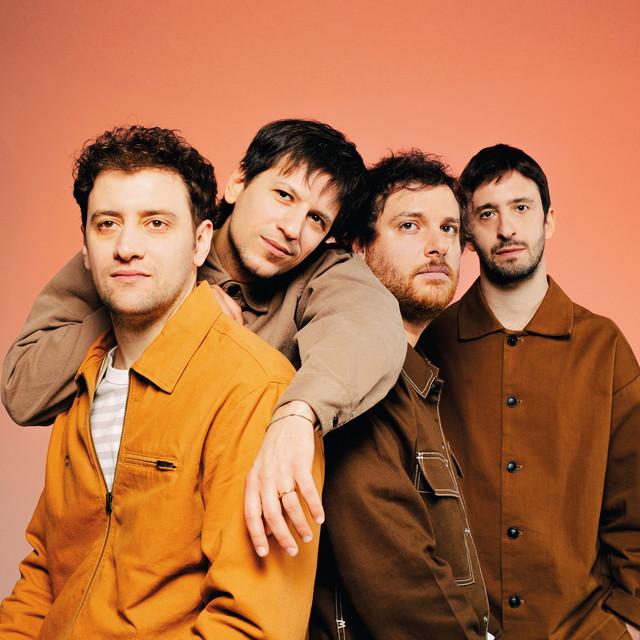
Eugenio in Via Di Gioia Biography: The Complete Story of Italy’s Indie-Pop Pioneers
The Italian indie-pop landscape has undergone a radical transformation over the past decade, shifting from underground subcultures to mainstream prominence. Standing at the absolute forefront of this cultural evolution is Eugenio in Via Di Gioia, a critically acclaimed four-piece band from Turin, Italy.
Blending infectious folk rhythms, sharp satirical songwriting, and deep environmental activism, the band has redefined what it means to be a modern musical collective. This comprehensive biography explores the incredible journey of Eugenio in Via Di Gioia, tracing their path from street performers on the pavements of Piedmont to the iconic stage of the Sanremo Music Festival.
Who Are Eugenio in Via Di Gioia?
Formed in Turin in 2012, Eugenio in Via Di Gioia is an Italian indie-pop and folk-rock band. The group’s unusual name is an ingenious linguistic combination of the first names of three founding members—Eugenio Cesaro, Emanuele Via, and Marco Di Gioia—alongside the street where they first began busking as street musicians.
While many contemporary pop acts rely on heavily synthesized productions, Eugenio in Via Di Gioia carved out a unique sonic signature rooted in acoustic instruments, rapid-fire theatrical vocals, and complex, thought-provoking lyrics. They are highly regarded not just for their musicality, but for their direct commitment to social, political, and environmental causes.
Band Members and Musical Roles
The chemistry of the band relies entirely on the diverse musical backgrounds of its four core members. Together, they form a tight-knit unit capable of switching from delicate folk harmonies to high-energy pop anthems seamlessly.
-
Eugenio Cesaro – Lead Vocals, Acoustic Guitar
-
Emanuele Via – Piano, Keyboards, Accordion, Backing Vocals
-
Marco Di Gioia – Drums, Percussion, Backing Vocals
-
Paolo Di Gioia – Bass Guitar, Backing Vocals
Complete Quick-Facts Profile
| Aspect | Detail |
| Origin | Turin, Piedmont, Italy |
| Year Formed | 2012 |
| Genres | Indie Pop, Folk Rock, Social Satire, Alternative Pop |
| Debut Album | Lorenzo Federici (2014) |
| Breakout Milestone | Sanremo Music Festival 2020 (Critics’ Award Winners) |
| Key Themes | Climate change, digital alienation, modern society, human connection |
The Origins: Busking in Turin (2012–2013)
The story of Eugenio in Via Di Gioia begins in the vibrant, student-led cultural hubs of Turin. Inspired by the raw energy of street performance and traditional Italian folk-storytelling (cantautorato), the trio of Eugenio, Emanuele, and Marco began playing impromptu acoustic sets across the city. Shortly after their initial street sessions, bassist Paolo Di Gioia joined the lineup, completing the rhythm section and providing the driving pulse that would define their future live sets.
Busking forced the band to develop an immediate, captivating performance style. To capture the attention of busy pedestrians, they leaned into high-velocity rhythms, exaggerated theatrical expressions, and witty, engaging crowd interactions. These early days on the streets laid the groundwork for their legendary live concerts, which are widely considered some of the most energetic and inclusive in the modern Italian music industry.
Breakthrough Albums and Discography
Lorenzo Federici (2014)
In 2014, the band released their highly anticipated debut studio album, titled Lorenzo Federici. In a brilliant stroke of meta-humor, Lorenzo Federici was not a member of the band, but rather the sound engineer who helped record the project. The album was a massive critical success within the independent circuit, winning the absolute first prize at the national Premio Buscaglione. Songs like “Invisibile” showcased their ability to blend existential dread with danceable folk acoustic loops.
Tutti Mani all’Aria (2017)
Their sophomore effort, Tutti Mani all’Aria (“Everyone’s Hands in the Air”), solidified their position on national radio networks. The album expanded their sonic palette, introducing brighter pop arrangements and deeper electronic textures without sacrificing their acoustic roots. The hit single “Chiodo Fisso” became an underground anthem, capturing the collective anxieties of Millennials navigating a hyper-connected, unstable economic world.
Natura Viva (2019)
By 2019, the band signed with major label Virgin Records / Universal Music Italy, releasing Natura Viva. This album marked a major thematic shift toward ecological awareness and environmental protection. Tracks like “Lettera al Prossimo” served as an open musical letter to future generations, warning against the irreversible damage of global warming while maintaining an optimistic call to action.
The Sanremo Milestone and National Acclaim (2020)
In early 2020, Eugenio in Via Di Gioia achieved a massive career milestone by qualifying for the 70th edition of the legendary Sanremo Music Festival in the Nuove Proposte (Newcomers) category. The festival is the most prestigious musical event in Italy and serves as the selection process for the Eurovision Song Contest.
The band performed “Tsunami,” a brilliantly structured track that used the metaphor of a tidal wave to describe the overwhelming nature of the digital age and social media overload.
"Tsunami" Performance Highlights:
- Received widespread acclaim from elite music journalists.
- Honored with the prestigious "Mia Martini" Critics' Award.
- Exposed the band to millions of mainstream television viewers.
Though they did not win the overall newcomer trophy, walking away with the Critics’ Award cemented their status as the intellectual elite of the new Italian pop generation.
Activism and Social Impact Projects
What truly separates Eugenio in Via Di Gioia from typical chart-topping pop acts is their direct involvement in real-world grassroots environmentalism. They do not merely sing about climate issues; they use their immense platform to organize tangible community actions.
The “Lettera al Prossimo” Forest
In tandem with their 2019 album, the band launched a crowdfunded environmental initiative in collaboration with Federforeste and cold-weather research groups. Following the devastating Vaia Storm that destroyed millions of trees in Northern Italy, the band gathered their fanbase to replant a completely sustainable forest in the Trentino region, turning a musical concept into physical ecological restoration.
The Piazza San Carlo Flash Mob (2022)
In April 2022, the band made global headlines by pulling off an audacious public art installation overnight. Working in absolute secrecy alongside hundreds of local students and activists, they spelled out the massive words “TI AMO ANCORA” (I Still Love You) across the entirety of Turin’s iconic Piazza San Carlo using eco-friendly chalk. The message was a love letter from humanity directed squarely at Planet Earth, serving as a visual wake-up call regarding urban pollution and environmental neglect.
Frequently Asked Questions (FAQ)
What is the meaning behind the name Eugenio in Via Di Gioia?
The name combines the first names of three original band members—Eugenio Cesaro, Emanuele Via, and Marco Di Gioia—while also forming a poetic Italian sentence that translates loosely to “Eugenio on the path of joy.”
Where is the band Eugenio in Via Di Gioia from?
The band was fully formed and raised in Turin (Torino), located in the Piedmont region of Northwest Italy.
Did Eugenio in Via Di Gioia win Sanremo?
They did not win the main competition category, but they won the highly prestigious “Mia Martini” Critics’ Award in the Newcomers section at the 2020 Sanremo Music Festival with their hit single “Tsunami.”
What genre of music do they play?
Their musical style is best described as a hybrid of Indie Pop, Folk Rock, and Alternative Cantautorato, characterized by acoustic instrumentation and rapid, satirical lyricism.
The Legacy of Eugenio in Via Di Gioia
Eugenio in Via Di Gioia represents a radical evolution in the modern music industry. By combining the poetic weight of classic Italian singer-songwriters with the high-octane energy of street busking and urgent digital-age activism, they have built a completely self-sustained creative ecosystem.
As they continue to release highly innovative music and headline major festivals across Europe, their legacy remains firmly anchored in their original mission: to make people move, make people laugh, and most importantly, make people think.