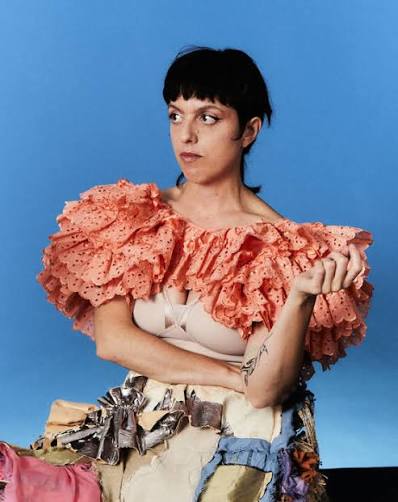
Le Parody Biography: The Spanish Musical Project Blending Electronic Music, Flamenco, and Folk Traditions
Introduction
Le Parody is one of the most distinctive and innovative names to emerge from Spain’s contemporary music scene. Known for fusing electronic production with Andalusian folk traditions, flamenco influences, tribal rhythms, and experimental pop, the project has carved out a unique artistic identity that resonates with audiences across Europe and beyond.
Led by Spanish singer, songwriter, producer, and composer Sole Parody, Le Parody has become recognized for pushing musical boundaries while remaining deeply connected to cultural roots. Through a combination of modern electronic textures and traditional sounds, the project offers an immersive listening experience that feels both timeless and forward-thinking.
This comprehensive biography explores Le Parody’s background, musical journey, artistic style, achievements, and fascinating facts that have helped establish the project as one of Spain’s most intriguing independent music acts.
Who Is Le Parody?
Le Parody is the musical project created by Spanish artist Soledad “Sole” Parody. Born in southern Spain, Sole developed a passion for music, art, and experimentation that would later shape the distinctive sound of the project.
Rather than following mainstream pop conventions, Le Parody emerged as an artistic platform where traditional folklore and cutting-edge electronic production could coexist. The result is a sound that combines emotional songwriting with adventurous sonic landscapes.
Since its debut in the early 2010s, Le Parody has gained recognition for creating music that transcends genres, drawing inspiration from flamenco, Mediterranean traditions, electronic dance music, ambient soundscapes, and global folk influences.
Le Parody Profile
| Detail | Information |
|---|---|
| Stage Name | Le Parody |
| Real Name | Soledad “Sole” Parody |
| Nationality | Spanish |
| Origin | Andalusia, Spain |
| Profession | Singer, Songwriter, Producer, Composer |
| Genres | Electronic, Folktronica, Experimental Pop, Flamenco Fusion |
| Active Since | 2011 |
| Known For | Blending electronic music with Andalusian folk traditions |
| Instruments | Vocals, Ukulele, Samplers, Electronics |
| Base of Operations | Madrid, Spain |
Early Life and Background
Sole Parody was born in Málaga, Spain, and spent much of her youth in Granada before later moving to Madrid. Growing up in Andalusia exposed her to a rich cultural environment filled with flamenco traditions, folk melodies, and regional musical heritage.
Her artistic interests extended beyond music. She pursued studies in fine arts and developed a multidisciplinary creative perspective that would later influence her songwriting, production, and visual presentation. This broader artistic background helped distinguish Le Parody from many contemporary electronic acts.
An important turning point came during her studies abroad, where she was introduced to music programming, electronic production, and digital sound design. These experiences laid the foundation for her future experimentation with electronic music.
The Birth of Le Parody
Le Parody officially emerged around 2011 as an independent music project dedicated to exploring the relationship between technology and tradition.
From the beginning, the project rejected easy categorization. While many artists worked within defined genres, Sole Parody embraced a more exploratory approach. Her music blended:
- Electronic beats
- Folk instrumentation
- Flamenco influences
- Experimental sound design
- Ambient textures
- World music elements
This willingness to combine seemingly unrelated musical traditions quickly attracted attention from critics and independent music audiences.
Musical Style and Influences
A Unique Fusion of Sounds
One of the defining characteristics of Le Parody is the seamless integration of traditional and contemporary musical elements.
The project frequently combines:
Electronic Production
Modern synthesizers, programmed rhythms, looping techniques, and atmospheric soundscapes form the foundation of many Le Parody compositions.
Andalusian Folk Traditions
Traditional melodies and vocal approaches rooted in southern Spain remain central to the project’s identity.
Flamenco Inspiration
Rather than replicating flamenco in a traditional sense, Le Parody reinterprets its emotional intensity, rhythmic complexity, and vocal expression within contemporary frameworks.
Global Influences
The music often incorporates ideas inspired by North African, Middle Eastern, Indian, and Latin American traditions, creating a multicultural sonic palette.
Artistic Philosophy
Le Parody’s work is driven by a fascination with cultural intersections.
The project explores questions such as:
- How can traditional music evolve in the digital age?
- What happens when folk heritage meets electronic experimentation?
- Can local identity coexist with global influences?
These themes are reflected throughout the discography and contribute to the project’s reputation as a forward-thinking artistic endeavor.
Discography and Major Releases
Cásala (2012)
Le Parody’s debut album introduced audiences to its distinctive fusion of folk-inspired songwriting and experimental electronic production.
The release established Sole Parody as a promising voice within Spain’s independent music scene and earned critical recognition for its originality.
Hondo (2015)
The second studio album expanded the project’s artistic ambitions.
“Hondo” explored connections between Andalusian traditions and musical influences from regions such as India, Iran, Morocco, and the Balkans. Critics praised the album for its adventurous approach and sophisticated production.
Porvenir (2019)
Widely regarded as one of Le Parody’s most important works, “Porvenir” deepened the fusion of electronic club rhythms with Spanish folk traditions.
The album showcased a more dance-oriented sound while maintaining the project’s commitment to storytelling and cultural exploration. It received widespread acclaim within Spain’s alternative music community.
Trilla
Created during a period of artistic collaboration and experimentation, “Trilla” explored more abstract electronic territory.
The release demonstrated Le Parody’s willingness to continually reinvent its sound while remaining rooted in creative curiosity.
Remedios (2024)
“Remedios” marked another major chapter in the project’s evolution.
The album continued Le Parody’s exploration of folk traditions, electronic innovation, and emotionally rich songwriting, further strengthening its reputation among critics and fans alike.
Live Performances and Touring
A significant part of Le Parody’s appeal comes from its unique live performances.
Unlike conventional electronic acts, Sole Parody combines:
- Live vocals
- Samplers
- Loop stations
- Pedals
- Acoustic elements
- Real-time sound manipulation
This approach creates an engaging performance that feels both intimate and dynamic. Audiences experience the construction of songs in real time, bridging the gap between singer-songwriter traditions and electronic music culture.
The project has performed extensively throughout Spain and internationally, appearing at festivals, concert venues, cultural institutions, and independent music showcases.
Le Parody’s Impact on Contemporary Spanish Music
Le Parody occupies a unique space within Spain’s modern music landscape.
While many artists either preserve traditional sounds or pursue purely electronic experimentation, Sole Parody successfully merges both worlds.
Her work has helped demonstrate that:
- Folk music can remain relevant in contemporary culture.
- Electronic production can enhance rather than replace tradition.
- Independent artists can achieve recognition through artistic authenticity.
This innovative approach has inspired a growing number of musicians interested in combining heritage with modern creativity.
Interesting Facts About Le Parody
1. The Project Is Led by a Single Artist
Although often discussed as a band or musical act, Le Parody is fundamentally the creative vision of Sole Parody.
2. Fine Arts Influence the Music
Sole’s background in visual arts contributes to the conceptual depth and aesthetic coherence of the project.
3. Technology Plays a Major Role
From looping systems to live sampling, technology serves as both an instrument and a creative partner.
4. Andalusian Roots Remain Central
Despite drawing inspiration from many cultures, the project consistently returns to its Andalusian heritage as a creative anchor.
5. Genre Labels Rarely Fit
Le Parody has been described as electronic folk, folktronica, experimental pop, flamenco fusion, and alternative electronic music—yet none of these labels fully capture the project’s sound.
Le Parody Age, Stats & Quick Facts
| Fact | Details |
|---|---|
| Founder | Sole Parody |
| Birth Year | 1985 |
| Birthplace | Málaga, Spain |
| Music Debut | 2011 |
| Main Genres | Electronic Folk, Experimental Pop, Flamenco Fusion |
| Notable Albums | Cásala, Hondo, Porvenir, Remedios |
| Performance Style | Live Looping and Electronic Production |
| Nationality | Spanish |
| Artistic Base | Madrid, Spain |
Why Le Parody Continues to Stand Out
In an era where many artists chase trends, Le Parody remains committed to artistic exploration and cultural authenticity. The project’s ability to bridge centuries-old traditions with modern electronic innovation has earned it a distinctive place within contemporary music.
By combining Andalusian roots, experimental production, and fearless creativity, Le Parody continues to challenge expectations and expand the possibilities of what modern folk-inspired music can be.
For listeners seeking music that is adventurous, emotionally resonant, and culturally rich, Le Parody represents one of the most compelling artistic projects in Spain today.